

Imagine it’s day three of the close.
Someone pulls an Excel export from the ERP, pastes it into a model, and asks AI to explain why opex is over budget. The answer sounds confident. Nobody in the room trusts it, so your team spends the evening rebuilding the numbers by hand before the board deck goes out.
That’s where most finance teams are with AI right now.
The tools are everywhere, but the results aren’t.
Plenty of large companies say they are scaling AI agents, yet only 6% get at least 5% of their profit from AI.
The model isn’t the problem.
The setup around it is.
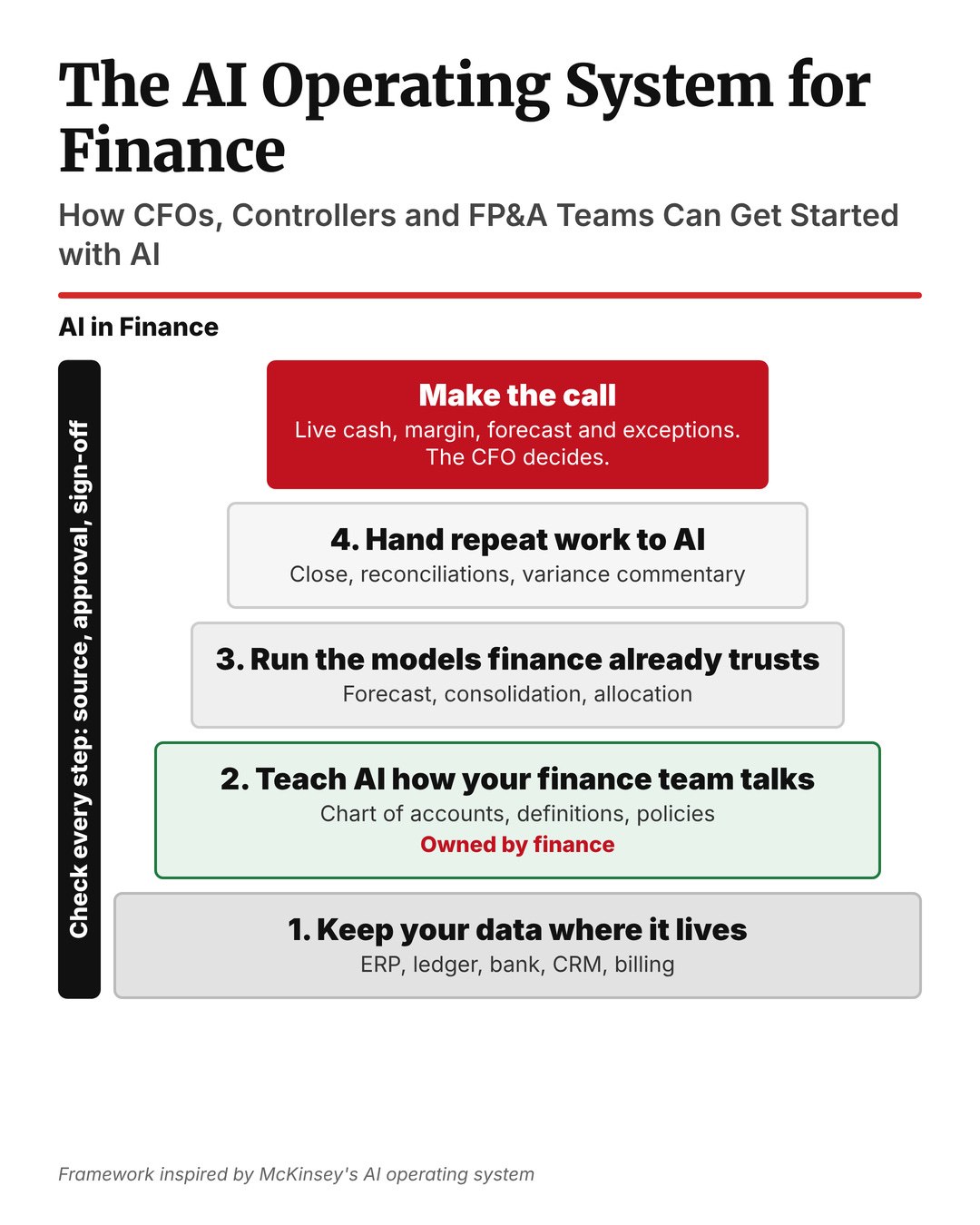
The finstory.ai team looks at it as an operating system with 5 layers, each one built on the layer below it, with checks wrapped around all of them. You don’t need to build it all at once.
You need to build it in the right order, and this edition shows you how.
Expect AI to get half the job right
Before you build anything, be honest about what today’s tools can do.
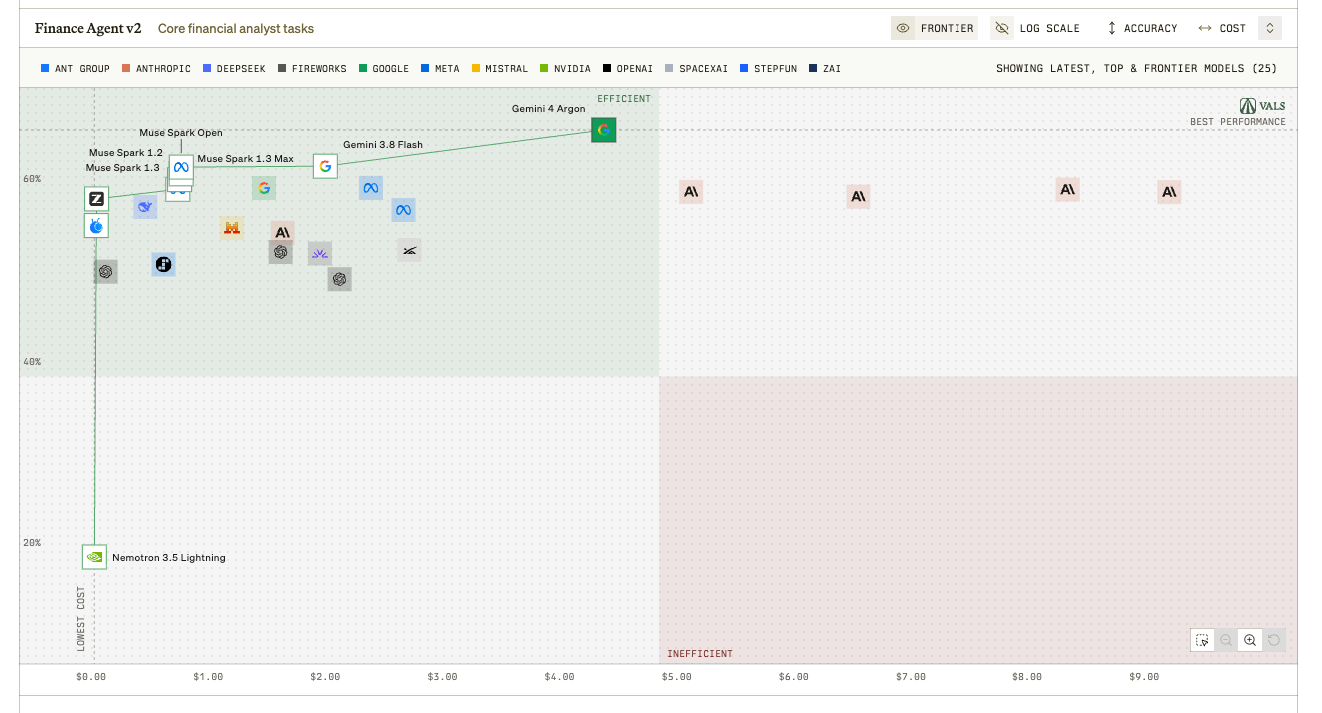
On a benchmark of 927 entry-level finance analyst tasks, the best model scores 65.4% with partial credit and 50.9% when every part of the answer has to be right.
It handles about 85% of earnings questions well.
But it scores only 34.5% on financial modeling and 36.4% on precedent transactions.
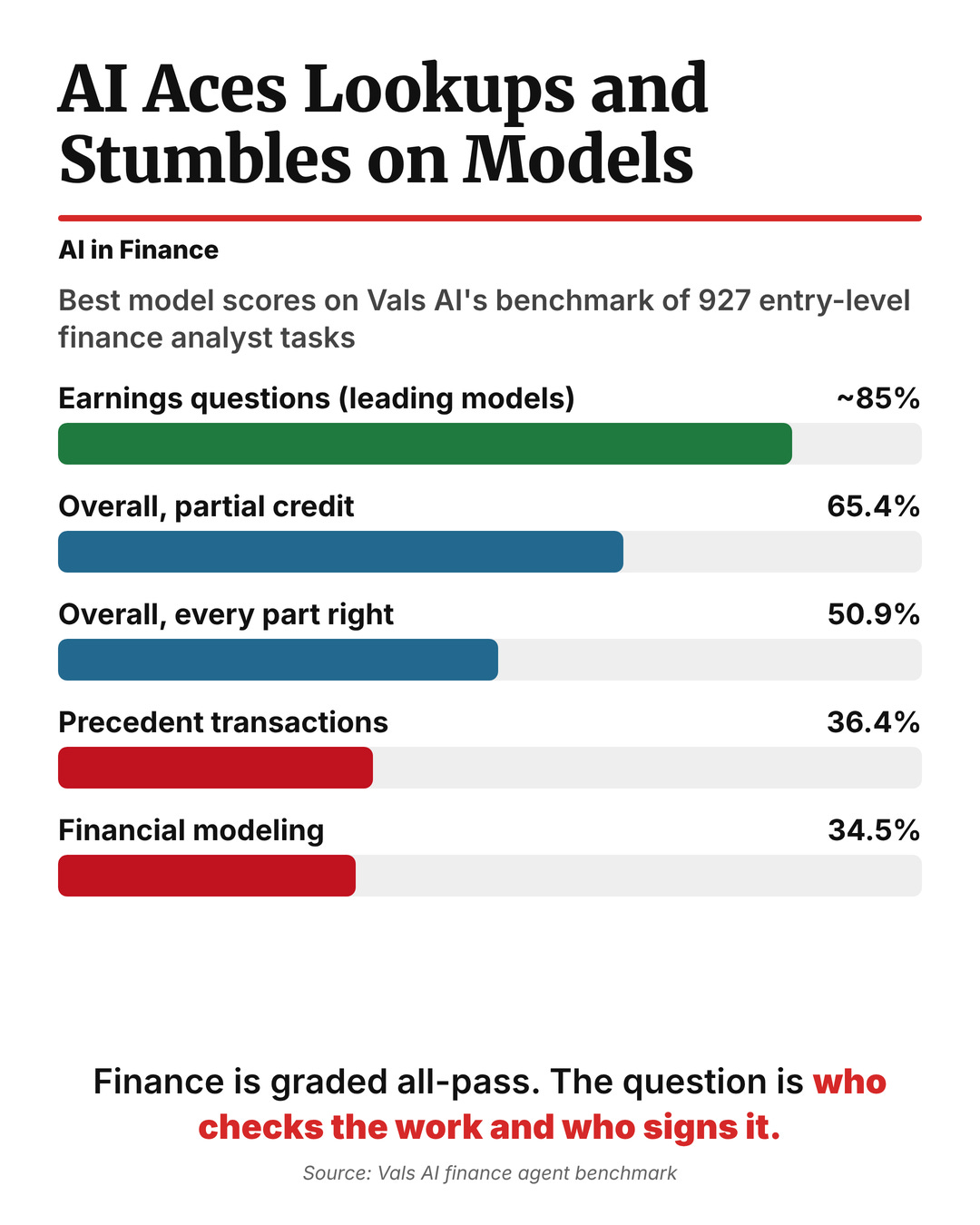
Finance doesn’t give partial credit.
A close that is 95% right is wrong, and a board deck with one broken link is a broken board deck. Your people aren’t perfect either, since 91% of real spreadsheets checked in field audits had material errors.
So the goal isn’t to trust AI or to ban it.
The goal is a system where every number has a source, a reviewer, and an owner.